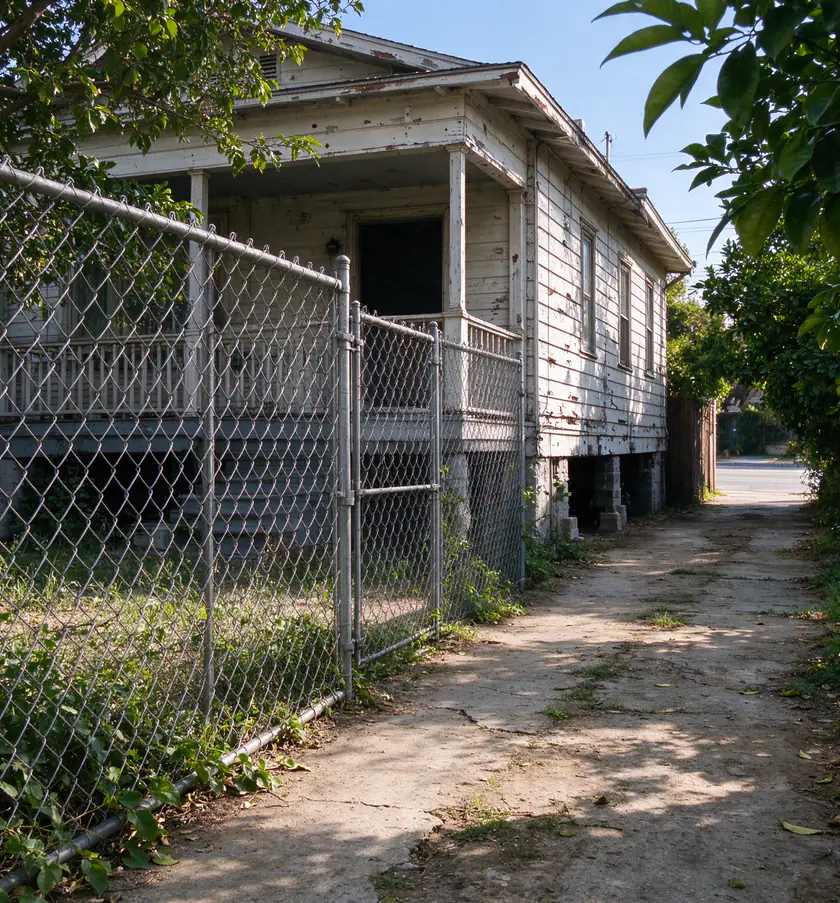
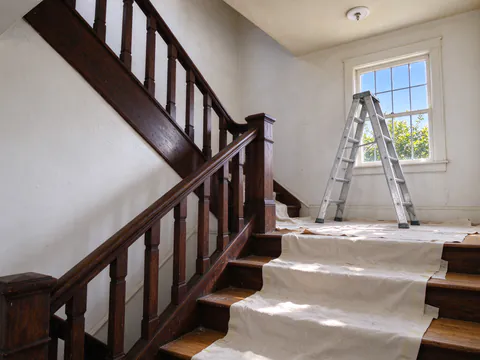
On the Eastside, the person deciding on a rewire is less often an owner living in a single-family house than in Highland Park or Eagle Rock, and that changes who signs off on the work and when it can be scheduled. LA Knob and Tube replaces knob and tube wiring in Lincoln Heights, El Sereno and Boyle Heights, and for knob and tube replacement in Lincoln Heights the first planning question can be whether anyone will be living in the house while circuits are out.
Census Bureau estimates show the split. ZIP code 90031, which covers Lincoln Heights, has 2,020 owner-occupied single-family houses among its 5,570 pre-1940 homes, and 90033, around Boyle Heights, has 1,280 among 5,319; the remainder are rented or sit in multi-unit buildings. These are Eastside neighborhoods with some of the highest shares of pre-war housing in Los Angeles. Pre-1940 construction accounts for 43.4% of homes in 90031, 38.1% in 90033 and 34.7% in 90032, the El Sereno area, where the share rises to just over half when the 1940s are included.
Two HPOZs on the Eastside
Two Historic Preservation Overlay Zones fall in this area: Lincoln Heights and El Sereno-Berkshire Craftsman. City Planning’s position across HPOZs is that interior work with no change to the exterior is exempt from review, and each preservation plan lists its exemptions. A rewire inside the walls goes ahead on an ordinary LADBS permit.
What can draw review is the outside of the house. When knob and tube replacement brings a service upgrade, the new mast, meter or panel may land on a visible wall. In an HPOZ, that location is worked out before the permit, so the interior job does not wait on a design question. For owners of designated contributors, the city’s Mills Act program can lower property taxes in exchange for a rehabilitation plan, and it names electrical system replacement among the work it expects. Eligibility is the city’s call. The historic homes guide covers both topics.
Panel upgrades with the rewire
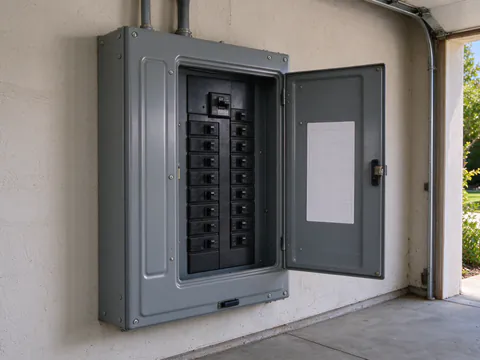
Panel and service work can come with the job. An LADBS permit in 90031 describes the combination directly: upgrading a panel to 200 amps and replacing the existing knob and tube. That pairing is common in permit records across the city, because the original fuse panels in pre-war houses had few circuits and a small service, and a full rewire adds circuits for kitchens, bathrooms and laundry that code now expects.
The two jobs remain separate scopes. A new panel does not remove a foot of knob and tube; the old circuits simply start from new breakers until each one is replaced. The panel upgrade vs rewiring guide explains how to tell which one a house needs, and the panel upgrade page covers the utility side.
Checking the utility per address
The City of Los Angeles is LADWP territory, and LADWP serves Lincoln Heights and El Sereno. One detail is worth checking, though. When the state’s electric service-area map was tested at the center of Boyle Heights, it returned Southern California Edison. That may be a mapping edge rather than a real boundary, but meter-spot rules differ between the two utilities, so the utility is confirmed for each address before panel or service work is planned. In LADWP territory, the meter spot is verified with its electric service staff before a new meter panel goes in, and LADWP needs to see the LADBS electrical permit.
Rentals and inherited houses
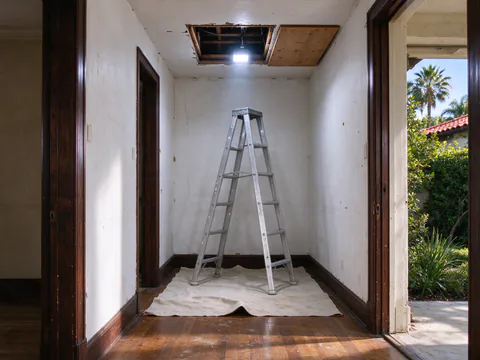
Where the owner does not live in the house, as with an investor between occupants or a family settling an estate, the house is often empty during the work, and an empty house is easier to rewire. Walls can be opened room by room without working around daily life, and whole-house rewiring can move faster when no one needs power in the evening.
A circuit map still comes first. Older houses that passed through many hands can show decades of small fixes: a new outlet here, a light added there, sometimes tied into the old wiring in a hidden junction. The knob and tube inspection separates active, dead and mixed circuits so the scope covers what is actually live. For a house being sold, the seller’s guide explains what California’s electrical advisory, required since January 1, 2026, asks a seller to hand the buyer.
Crawlspaces, plaster and lead-safe openings
LADBS issues the permit, and nearly every house rewire permit in Los Angeles goes out as an express permit without plan check. Rewire rates here are among the higher ones in the city: about 41 rewire permits for every 1,000 house electrical permits in 90031 and 39 in 90032 from January 2020 to October 2026.
El Sereno’s 90032 also had 293 permits for cripple-wall bracing and foundation bolting in that window, a sign of raised floors with crawlspace access. Where the crawlspace is usable, first-floor outlets are fed from below. Where it is crowded or the house sits on a slope, more routes come from the attic or through plaster, and the plaster wall rewiring page explains how openings are placed and patched. The seismic retrofit guide covers planning both jobs together.
Opening plaster in a house this old has rules of its own. Paint in homes built before 1978 may contain lead, and federal EPA rules require firms that disturb it to be certified and follow lead-safe practices. South Coast AQMD Rule 1403 can require an asbestos survey before renovation work by a contractor, with narrow exemptions. Fewer and smaller openings reduce how much of either is disturbed, and the lead and asbestos guide explains how those checks fit into a rewire schedule.
Nearby, Highland Park and Mount Washington share the Northeast LA stock, South Pasadena is a separate city with its own building division, and Silver Lake and Echo Park have similar pre-war rentals.