South Pasadena sits between two cities that run their own electric utilities, yet its power comes from Southern California Edison, and its permits come from neither LADBS nor Pasadena. LA Knob and Tube replaces knob and tube wiring in this small city between Pasadena, Highland Park and El Sereno, and knob and tube replacement in South Pasadena begins with the two offices a job may involve: the city’s own Building Division and, if the service changes, Edison.
A third of the housing is old enough to have been wired that way. The Census Bureau counts 3,574 South Pasadena homes built before 1940, 33.0% of all its housing, a higher share than Pasadena’s 28.6%. Including the 1940s, the figure reaches 43.8%. Of the pre-1940 homes, 1,806 are owner-occupied single-family houses.
Its own Building Division
As an independent city, South Pasadena runs its own permit process. The Building Division in the city’s Community Development department reviews applications, issues permits and runs the inspections that check work against code. Applications go through the city’s online permit portal.
South Pasadena’s electrical permit requirements were not examined in detail for this page. Its fees come from the Building Division’s own fee schedule, and its rules on who may pull an electrical permit and when plan review applies are confirmed with the Building Division for each address. What does not change from city to city is the sequence: a permit before work starts, an inspection of the new wiring before walls close, and a final sign-off once everything is complete. Each stage is described in the replacement process guide.
Southern California Edison, not PWP
The name suggests Pasadena Water & Power, but the California Energy Commission’s utility map places South Pasadena in Southern California Edison territory. Pasadena and Los Angeles each run a city-owned utility. South Pasadena does not.
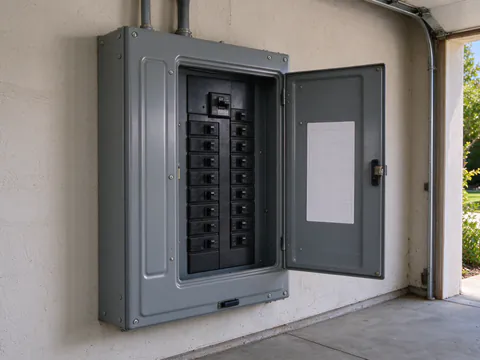
That only matters when the service changes. Replacing branch circuits leaves the meter alone, and a rewire can keep the existing panel if it has spare spaces and is sound. Where the house still has a small fused service, though, the new circuit count can outgrow it, and the upgrade then involves Edison’s own process for meter and service work. Edison’s specific requirements and lead times fell outside this page’s sources, so they are confirmed with Edison for the address when the panel work is scheduled, before a date is promised to anyone. Swapping the panel leaves every old circuit in place. Which of the two jobs a house needs is the subject of panel upgrade vs rewiring, and the panel upgrade page covers the utility steps.
Edison also runs a pilot that helps with utility-side upsizing costs when a house electrifies, for example by replacing gas appliances with heat pumps. It is aimed at electrification, not knob and tube work alone, so it does not cover a rewire on its own.
Historic character, rules confirmed per address
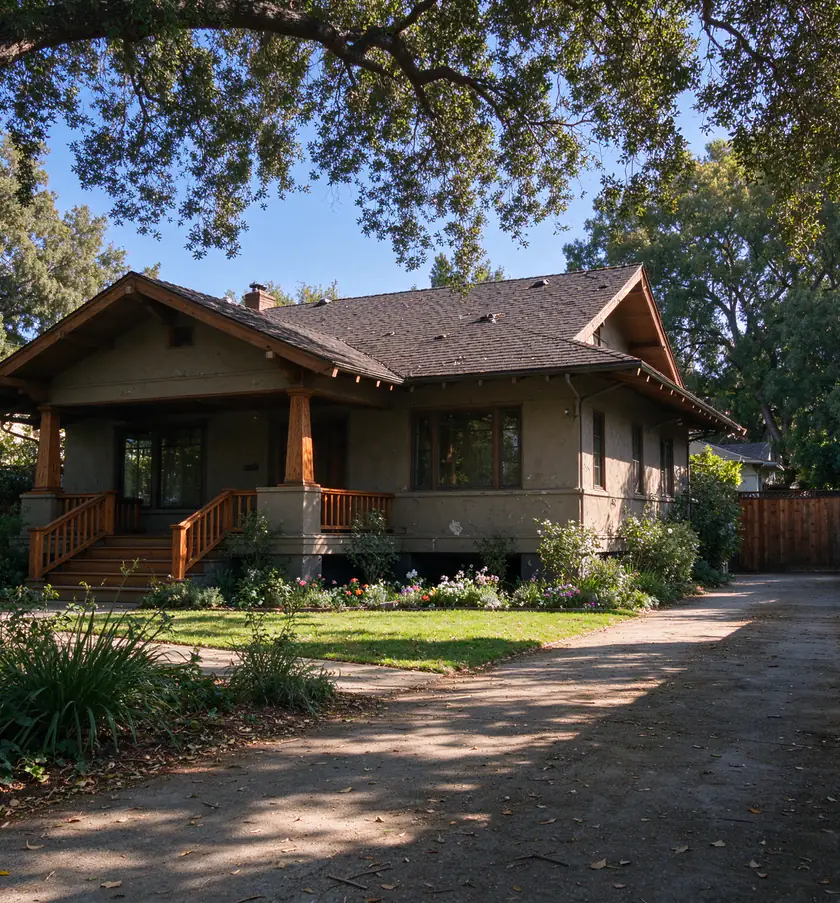
South Pasadena has a large stock of pre-war houses. This page does not describe the city’s historic preservation rules, because the research did not cover them. They are checked address by address with South Pasadena. The pattern to plan for is the same as in neighboring cities: interior rewiring leaves the exterior unchanged, while a new meter, mast or panel on a visible wall is the part most likely to raise a design question.
Circuit map, cable routes and the final record
Everything starts from a circuit map. The first visit traces each outlet and light back to its source, sorts live knob and tube from runs long since cut off, flags any place newer cable was joined to the original conductors, and checks how the electrician can get into the attic, the crawlspace and the panel. Owners who want that answer before committing to a scope can book the knob and tube inspection by itself.
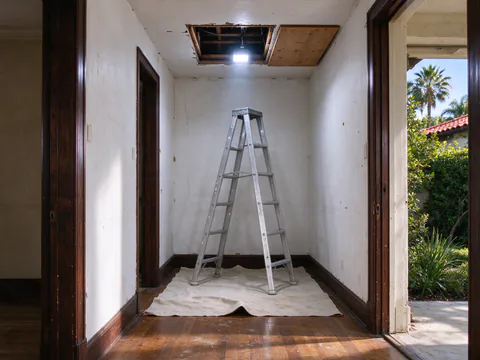
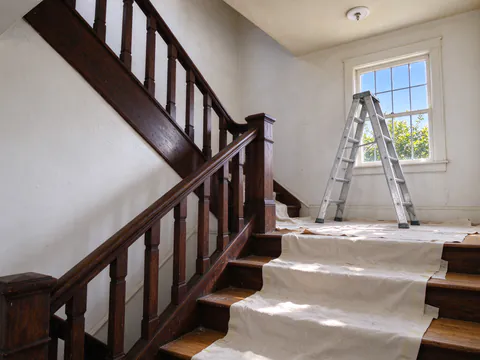
New cable takes the open spaces first. In a two-story house the upper rooms are fed from the attic and the lower ones from underneath, but the wall cavities between the two floors are sealed, so a few routes need small plaster openings, at the boxes and at any framing the cable must pass. Every opening is itemized on the quote along with who repairs it. The house is rewired a group of circuits at a time, which keeps most rooms usable through the job. When nearly everything is original, whole-house rewiring keeps the access work to one pass. At the end the panel is labeled circuit by circuit, and a partial job comes with a written list of the circuits that remain, which is the record a later buyer, appraiser or insurance carrier is likely to ask to see.
The attic and insulation
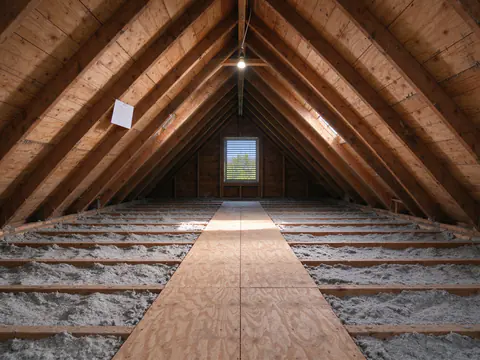
Attic work here is slower in late summer. NOAA’s normals for nearby Pasadena show an average August high of 91.3°F, and an attic over a sunny roof runs hotter than that. Insulation is the other attic question. California allows insulation around knob and tube only after a California-licensed electrical contractor surveys the wiring and certifies its condition, with the form filed with the building department. The attic insulation page explains why replacing attic circuits first is often the simpler path.
Shopping for coverage with a circuit map in hand
California FAIR Plan residential policies in 91030 grew from 126 in September 2021 to 311 in September 2025, roughly two and a half times. No reasons are published, and nothing links the rise to wiring, but more South Pasadena owners are shopping for coverage, and insurers do not all treat knob and tube the same way. What a circuit map and a final inspection can and cannot do for an application is covered in the insurance guide.
Nearby, Pasadena runs its own permits and its own utility, Highland Park is under LADBS and LADWP, and Lincoln Heights and El Sereno have older Eastside houses in two HPOZs.