LA Knob and Tube handles knob and tube inspection across Los Angeles, Pasadena, Glendale and South Pasadena: mapping which circuits still run on the old wiring, checking the parts that can be reached, and writing down what cannot be seen. The work is carried out by licensed and insured electrical contractors. Most requests start with a piece of paper. A buyer’s home inspection report says knob and tube was observed in the attic. An insurer’s renewal letter asks whether any of it is still active. A seller wants to know what a buyer’s inspector is going to find.
Each of those asks a narrower question than “is there knob and tube?” They ask how much of it is live, what condition it is in, and what it would take to replace. That is what this inspection answers, as far as anyone can answer it without opening walls.
What happens on the first visit
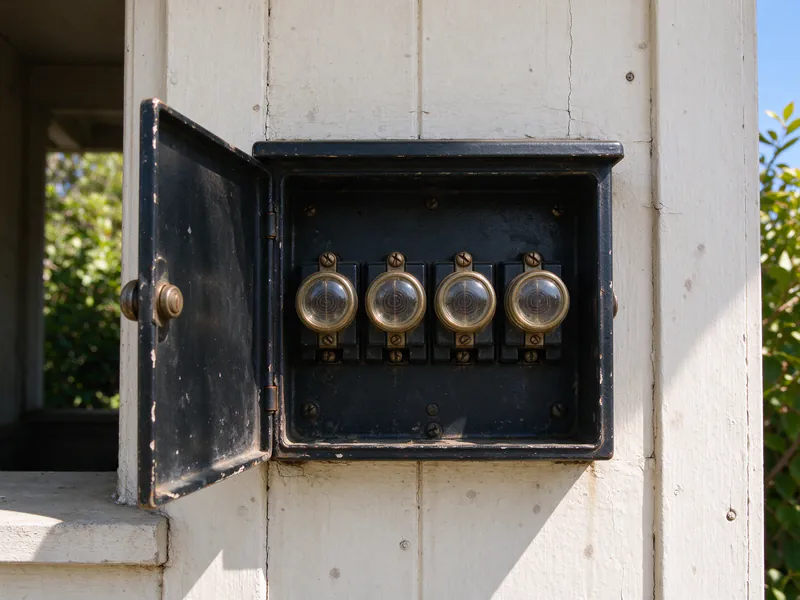
The visit starts at the panel. The number of circuits, the type of protection and the size of each fuse or breaker show how the house is fed and whether any circuit is protected at a size its wiring cannot carry. From there, outlets and lights are matched to circuits room by room, so the result is a map of which rooms depend on knob and tube today.
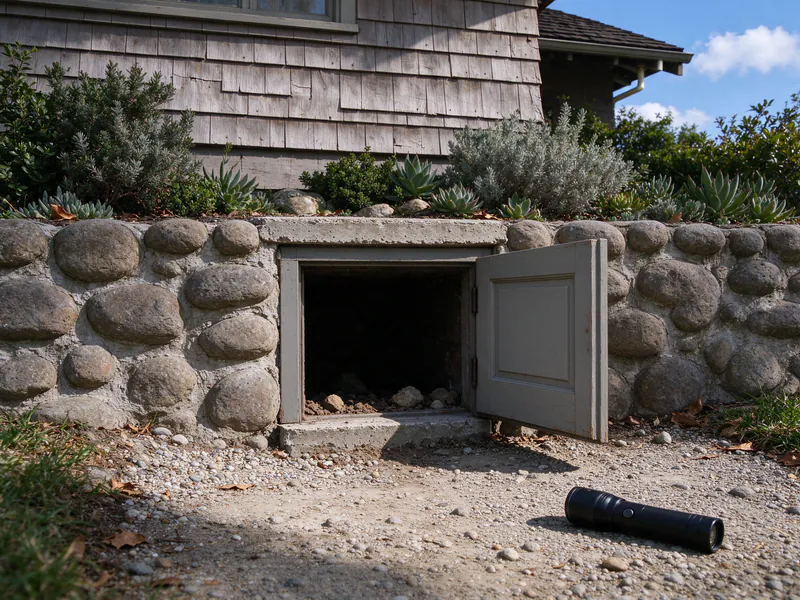
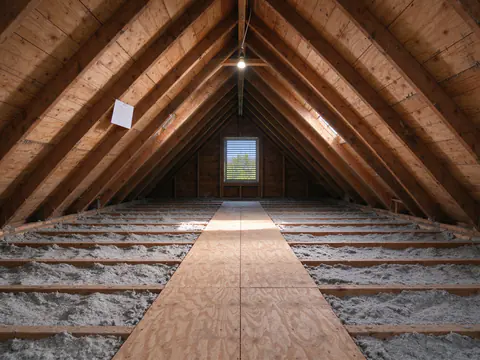
The attic and crawlspace come next. The accessible runs are followed by eye and with a light, looking for where porcelain knobs and tubes still carry conductors, where modern cable was spliced in, where insulation or stored boxes sit against the wiring, and where old runs end at nothing at all. None of this involves pulling on, cutting or handling the old conductors. The visit also records access for any later work: attic clearance, crawlspace height, wall finishes and where the routes would need to cross framing.
What a general home inspection can and cannot tell you
A general home inspector looks at the whole house in a few hours, and the electrical part is a visual survey. When knob and tube is visible in the attic or crawlspace, the report usually notes it and recommends an electrician’s evaluation. That note is useful, but it rarely says how much of the system is live. Old runs are often left in place after a remodel, so the same porcelain can belong to a dead circuit or a live one, and the two look alike from a ladder.
The general report also cannot see wiring the inspector did not reach, and a three-prong outlet tells it nothing reliable about grounding. The three-prong outlet guide explains why a grounded-looking receptacle can sit on a two-wire circuit. A knob and tube inspection is a narrower, electrical look, and it does not replace the home inspection or carry a home inspector’s or engineer’s credential.
Circuit tracing: from the panel to each room
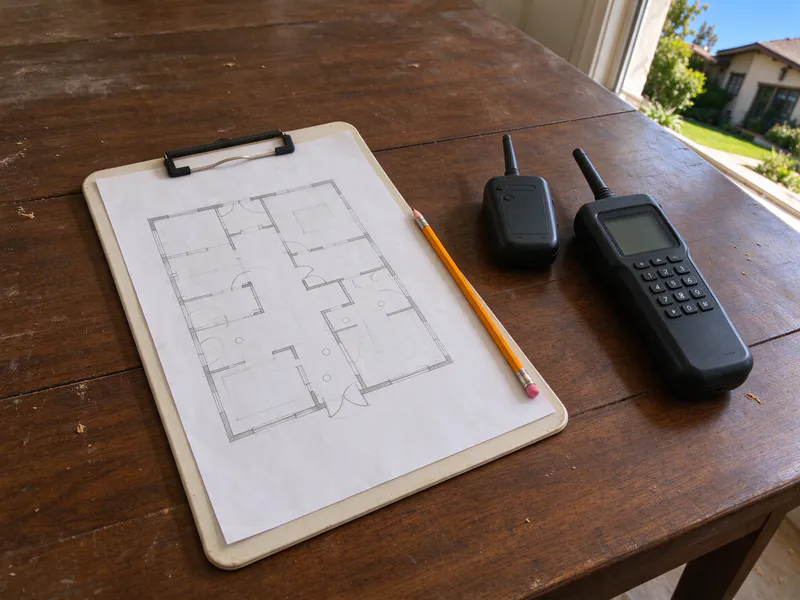
Circuit tracing is how the map gets built. With a circuit tracer and testers, each fuse or breaker is matched to the outlets, switches and fixtures it feeds, and each of those is matched back to the wiring type that serves it. A kitchen may turn out to be fully modern while a bedroom on the same side of the house still runs on its original circuit. A circuit can also be mixed: modern cable from the panel to a box in the attic, then knob and tube from there to the rooms.
That mixed condition is common after remodels and is the one most likely to be misdescribed. The guide to active and abandoned knob and tube covers how live, dead and mixed runs are told apart. The map is also the starting point for a partial replacement, because it shows exactly which circuits would remain.
Condition: insulation, splices, boxes and protection
On the runs that can be seen, the condition questions are specific. Is the rubber and cloth insulation on the conductors intact where it passes over knobs and through tubes, or cracked and flaking? Has a later owner spliced new wire onto the old without a junction box, or tied modern cable into the middle of a run? Are junction boxes covered and secured? Is loose-fill or batt insulation lying over the conductors, which keeps them from shedding heat as they were designed to?
At the panel, the question is overcurrent protection. Original knob and tube circuits were designed around small fuses. A larger fuse or breaker than the wire can carry lets the wire overheat before anything trips. Fuse sizes are a matter for the electrician; never change one yourself. If you want to look for knob and tube before the visit, the identification guide explains what to look for from a safe distance, without touching anything.
The limits of seeing concealed wiring
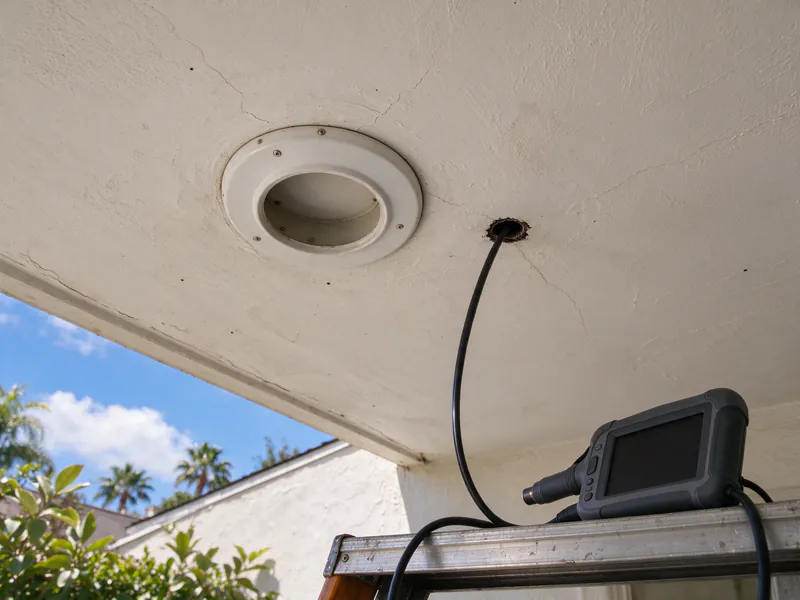
Most of a knob and tube circuit runs inside closed walls and ceilings. An inspection can confirm that a circuit is live, see the ends of it in the attic and crawlspace, and check its devices. It cannot see a splice made inside a wall cavity decades ago, a nail through a conductor, or insulation that has crumbled where no one can reach. A borescope can look into a cavity through an existing opening, but it does not see the whole run.
That is why no responsible report calls a house safe on the strength of visible wiring alone, and why the written summary lists what could not be verified. If the decision depends on something hidden, the next step is targeted access, decided with you, not a guess.
Buyers in escrow and California’s electrical disclosure
In escrow, knob and tube usually surfaces in the buyer’s inspection report, and the buyer then has a contingency period to decide what to do about it. Since January 1, 2026, California sellers must also give buyers a written electrical statement under Civil Code section 1102.6i. It advises that a buyer may want a qualified professional to inspect the main panel, subpanels and wiring, and warns that substandard or faulty wiring can be a fire risk and can make property insurance harder to obtain.
For a buyer, the circuit map answers the cost question, since the number of live circuits drives the price of replacement. The insurance question runs alongside it. The buyer’s guide covers both, and sellers deciding whether to inspect before listing can start with the seller’s guide.
Insurer letters
Carriers differ. Some decline a house with any active knob and tube, some ask for an electrician’s letter stating whether it is active, and some accept a written replacement plan. No inspection can promise acceptance by a given carrier. What helps is asking the carrier or broker, in writing, exactly what the letter must say before the visit, so the summary answers that question in its own terms. The California insurance guide lists the questions worth asking.
Before insulating: the CEC 394.12 survey
California’s electrical code allows insulation where knob and tube is present only after an electrical contractor licensed by the State of California surveys the wiring and certifies that it is in good condition, with no deterioration, no improper overcurrent protection and no improper connections or splices. The certification is filed with the local building department and a copy goes to the owner. That survey is the licensed contractor’s signed statement, a separate step from a circuit map. No LADBS-specific form for it was found, so the filing is confirmed with the building department for the address. The attic insulation page explains when certifying makes sense and when replacing the attic circuits is simpler.
Need to know how much of it is live?
A circuit map answers that before you commit to a scope, a price or a closing date.
From inspection to a scope
The inspection does not decide the job; it shows which jobs are realistic. A single bad splice on an otherwise sound circuit points to a repair. A house where a remodel already replaced the kitchen and bath circuits points to a partial job. A house where most rooms still depend on original wiring, or an insurer that will accept none of it, points to whole-house rewiring. Any repair, alteration or extension that follows is permitted work, inspected by LADBS in the City of LA or by the building department in Pasadena, Glendale or South Pasadena.
What an inspection costs
There is no single published price for this work. What moves it is the size of the house, the number of circuits, how open the attic and crawlspace are, and whether a written letter for an insurer or a CEC 394.12 survey is part of the request. The cost guide covers what replacement costs once the map is done, and the assessment tool helps you sort out how urgent your situation is before you call.