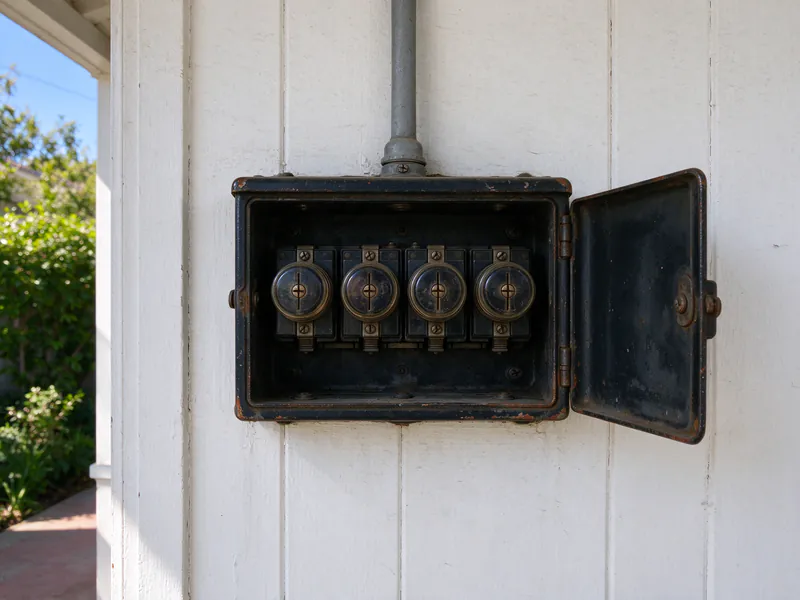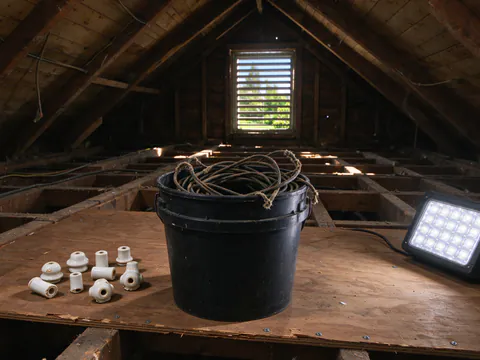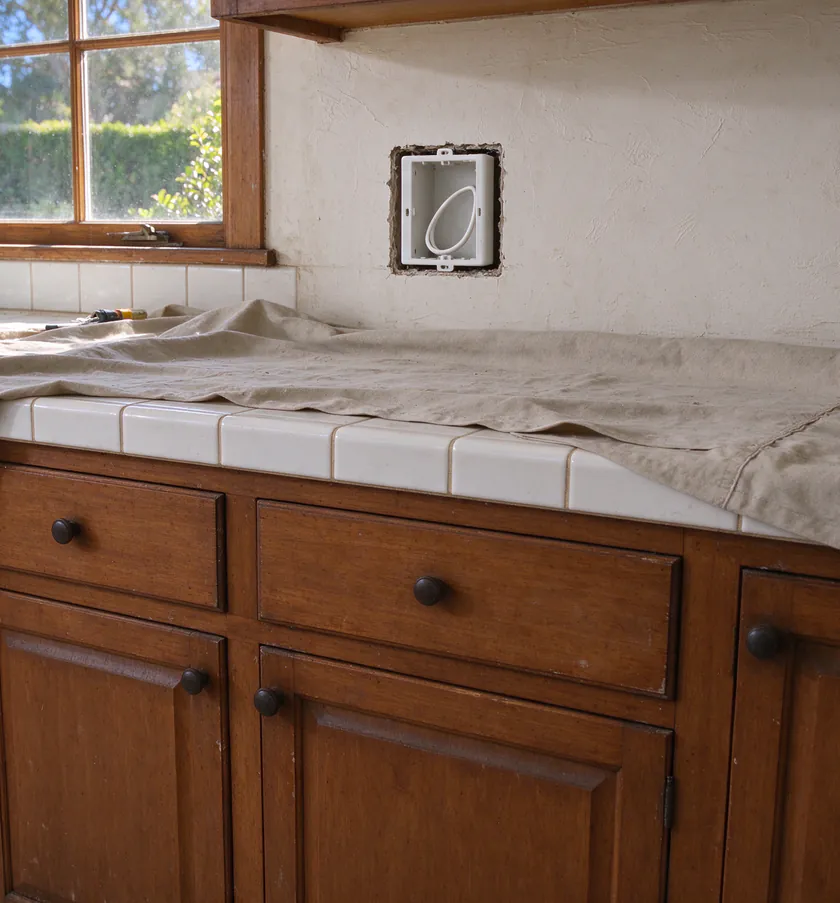
LA Knob and Tube handles partial knob and tube replacement across Los Angeles: replacing the old circuits that matter most now, disconnecting them properly, and writing down exactly which ones remain. Partial jobs come up in pre-war houses that have already been through a remodel or two. A kitchen redone in the 1980s, a bathroom added in the 2000s and a panel swapped along the way can leave a house where half the outlets run on modern cable and the other half still run on porcelain knobs in the attic.
That mix is the reason a partial job has to start with a map. The visible outlets do not tell you which circuit feeds them, and a three-prong outlet can sit on a knob and tube run. A replacement planned room by room, without knowing where each circuit actually goes, can leave old wiring live in places nobody expected.
What happens on the first visit
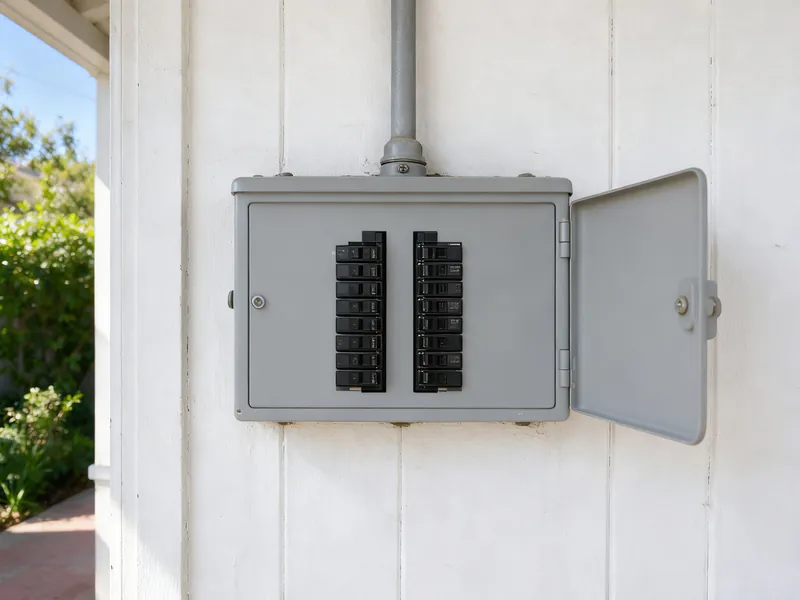
The first visit sorts the house into live, dead and mixed wiring. The panel shows which circuits exist and how they are protected. The attic and crawlspace show where the original runs go, whether they still connect to anything, and where later wiring was spliced into them. Outlets and lights are then matched to their circuits, so the map shows which rooms depend on knob and tube today.
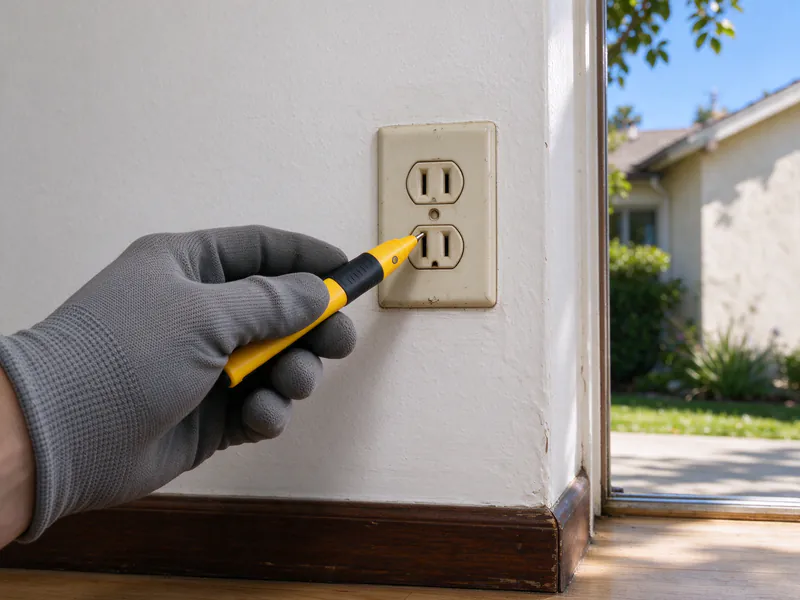
The visit also looks at access. Where a pre-1940 house sits on a raised wood floor over a crawlspace, with an open attic above, those two spaces decide how much plaster has to be opened. The guide to active and abandoned knob and tube explains how the difference between a live run and a dead one is confirmed without anyone touching the wiring by hand.
Why the boundary matters more than the size of the job
A partial replacement leaves two systems in one house, so the useful question is where one stops and the other begins. Every circuit in scope is disconnected at both ends, at the panel and at the last device, so the old run cannot be energized again by accident. Abandoned runs can stay in place or be removed, and the knob and tube removal page covers when pulling them out is worth the extra access.
The circuits that stay are listed by name, with the rooms and outlets they serve. That list is what an insurer, a buyer’s inspector or a future electrician needs. Without it, the house is easily described as rewired when it is not, which is the misunderstanding most likely to cause trouble later, at a sale or after a claim.
LADBS permit records show how ordinary this kind of job is. Descriptions filed in the City of LA include a partial rewire to remove knob and tube in parts of a house in Los Feliz and a 200-amp service upgrade with sections of knob and tube rewired in Echo Park. Both describe a house that will keep some original wiring after the work.
Choosing which circuits to replace first
The order usually follows load and condition. Kitchen and bathroom outlets carry the heaviest appliances and sit closest to water, so they tend to go first, and replacing them brings GFCI protection where the code calls for it. Circuits with later splices, especially ones added without a junction box, come next, because a splice made decades after the original installation is often a weaker point than the original porcelain.
Attic runs matter if insulation is planned. California’s electrical code allows insulation over knob and tube only after a California-licensed electrical contractor surveys and certifies the wiring, so the other route is to replace the attic circuits first and insulate without conditions. The attic insulation page covers both paths. Circuits feeding space heaters, window air conditioners or a home office are also early candidates, since original circuits were laid out for a few lights and outlets per room.
Replaced circuits in living areas get arc-fault protection under the California Electrical Code, either at the breaker or at the first outlet. The guide to AFCI and GFCI on old wiring explains what each device does and what it cannot do for the circuits that stay.
Partial replacement and insurance
Insurance is often what decides between partial and full. Some carriers decline a house with any active knob and tube, while others accept partial work with an electrician’s letter describing what remains. That varies by carrier and changes over time, so ask your carrier or broker for its requirement in writing before the scope is set. A partial job that leaves the one circuit the insurer cares about does not solve the problem it was meant to solve. The California insurance guide covers what to ask and what paperwork usually helps.
Access, openings and patching
A partial job usually opens fewer walls than a full one, because it touches fewer rooms. New cable for first-floor outlets usually comes up from the crawlspace through the floor plate, and ceiling lights and upstairs circuits come down from the attic. Openings are needed where a route has to cross a fire block, a header or a wall with no open space above or below it, and at boxes that have to be replaced.
Pre-war houses were typically finished in plaster on wood lath, which patches differently from drywall. The quote should name each planned opening and say whether patching, texture and paint are included. The plaster wall rewiring page explains how routes are chosen to keep openings small.
Permits and inspection
Replacing circuits is permitted work. In the City of Los Angeles, LADBS issues the electrical permit, and records show nearly every house rewire permit is issued as an express permit without plan check. An inspector checks the new wiring before walls are closed and again at the end. Pasadena, Glendale and South Pasadena permit through their own building departments. The Los Angeles rewiring permit guide covers who can pull the permit and what the inspections look at.
What a partial job costs
Partial jobs vary too much for a single published range. The price depends on the number of circuits in scope, how open the attic and crawlspace are, how many boxes need replacing and how much patching is included. The LA cost guide explains each of those factors, and the cost estimator shows how they move a whole-house figure.
Want the map before the decision?
A circuit map shows what a partial job would leave behind and what a full one would add.
When full replacement makes more sense
A partial job stops making sense when most of the house still runs on original wiring, when the insurer will only accept a house with none left, or when the remaining circuits share neutrals or splices with the ones being replaced. At that point the whole-house rewiring page is the better starting place, and the same circuit map carries over.