LA Knob and Tube handles knob and tube removal across Los Angeles, Pasadena, Glendale and South Pasadena: disconnecting old runs so they can never be energized again, proving they are dead, and taking out the ones worth removing. The work is carried out by licensed and insured electrical contractors. Removal is not the same thing as replacement. It deals with wiring that no longer needs to carry power, either because new circuits have already taken over its job or because a remodel left it orphaned years ago.
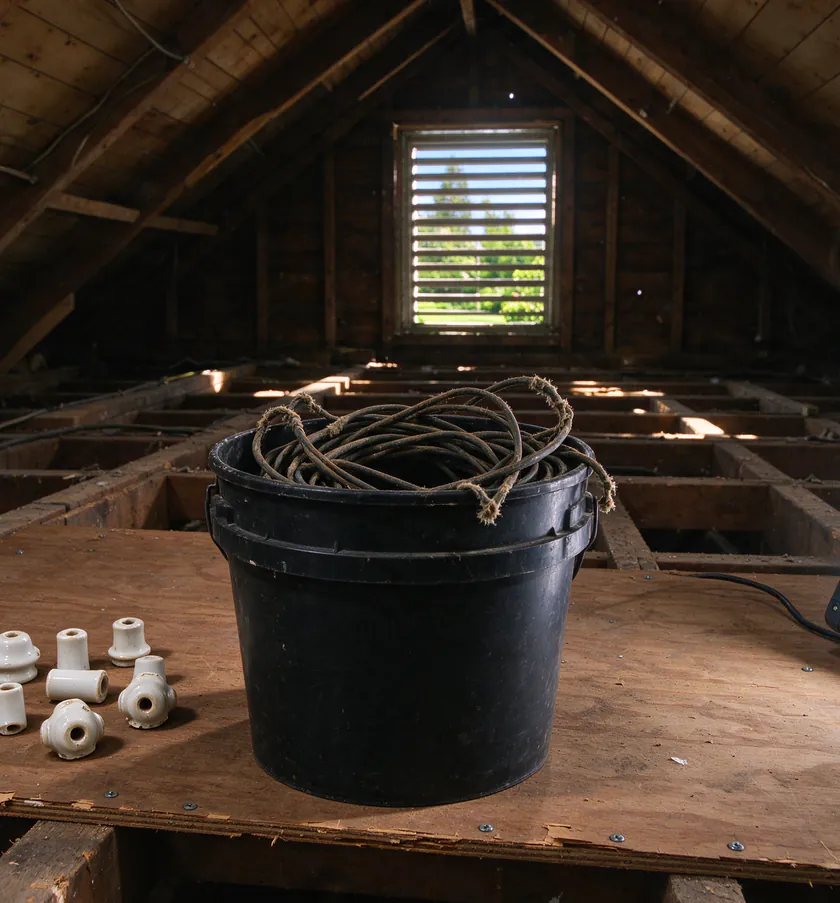
An attic over a pre-war house can hold both kinds. A run of porcelain knobs crossing the joists might be the live feed for two bedrooms, or it might be a circuit that was cut off when the kitchen was redone in the 1980s and simply left there. From a ladder, they look the same.
What happens on the first visit
The first visit maps live, dead and mixed circuits before anyone talks about removal. At the panel, each circuit is identified. In the attic and crawlspace, the visible runs are followed to see where they start, where later wiring was tied in, and where they end. Outlets and lights are matched to circuits, so the map shows which runs still feed something.
That map sorts the old wiring into three groups. Live runs have to be replaced before they can be disconnected, and the partial replacement or whole-house rewiring pages cover that work. Dead runs can be removed or abandoned in place. Mixed runs, where modern cable feeds a stretch of knob and tube or the other way round, need the most care, because cutting the wrong end can take power from a room that still depends on it.
Disconnection and physical removal are separate choices
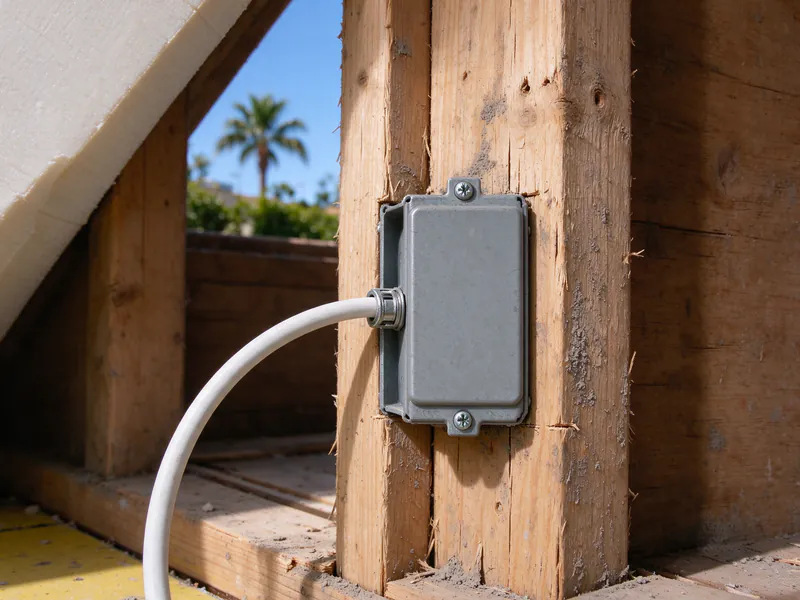
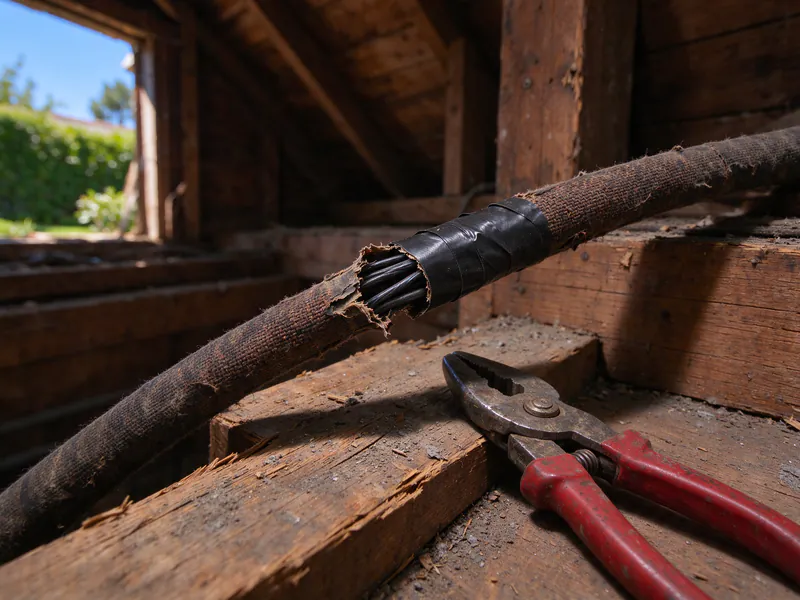
Disconnection is the step that matters for safety. A retired run is cut off at its source, at the panel or at the splice where it joined a live circuit, and again at its last device, so there is no path for it to be energized by accident. Once both ends are dead and the conductors are cut back, the old wire is inert. It cannot carry current, overheat or arc.
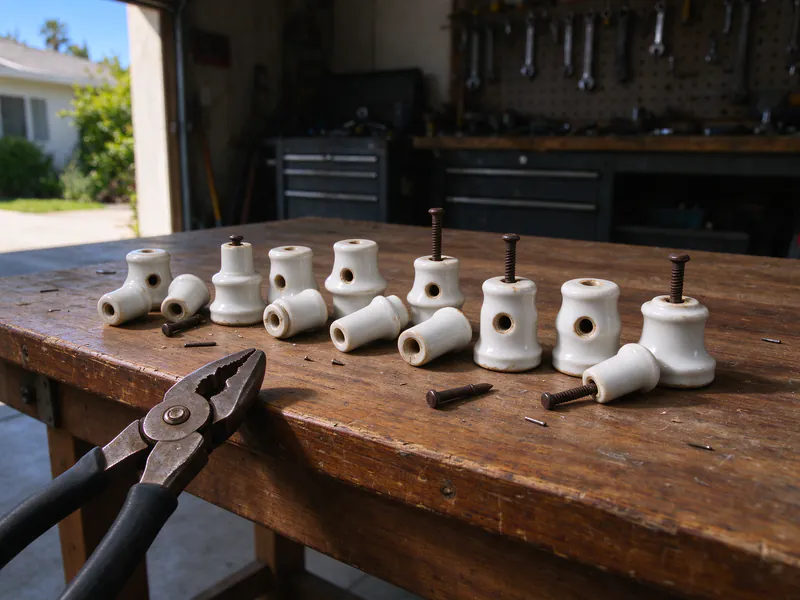
Physical removal is a second, separate choice about what to do with that inert wire. In an open attic or crawlspace, the accessible conductors, knobs and tubes can be taken out with no openings at all. Inside a closed plaster wall, removing a dead run would mean opening the wall for no electrical benefit, so the usual answer is to leave it where it is and record it. The guide to active and abandoned knob and tube covers how the two states are told apart.
Abandoned runs in attics and crawlspaces
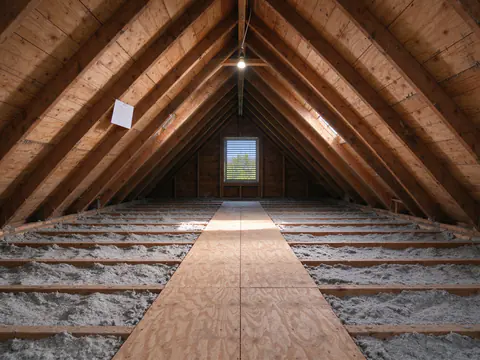
Dead runs in open spaces are the ones most worth removing. They get in the way: an attic about to be insulated or a crawlspace about to get a seismic retrofit is easier to work in without old wire strung across it. They mislead: the next electrician, inspector or buyer’s home inspector who sees porcelain in the attic has no way to know it is dead without testing it, and a report that says “knob and tube observed” can cause trouble at a sale or renewal. And they hide things: a tangle of retired wire makes it harder to see the live wiring that remains.
Removing them is also a chance to look. Where old runs come out, the framing they crossed and the condition of any remaining live wiring nearby are easier to see.
Remodels and open walls
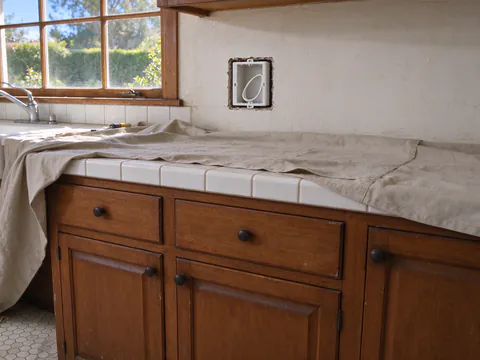
A remodel changes the math. When a kitchen or bathroom wall is opened to the studs, any knob and tube inside it is exposed, and removing it adds little to the work. The same goes for ceilings opened for new lighting. The thing to settle before demolition is whether those runs are live. A wall opened for a remodel can contain an old circuit that still feeds a room on the other side, and cutting it without knowing leaves that room dark or, worse, leaves a live end buried in debris.
If the remodel is the trigger, the circuit map should come before demolition, not after. The replacement process guide explains how wiring work is sequenced around other trades.
How dead runs are verified
A run is called dead only after it has been checked at more than one point. The first check is at the source: the circuit is switched off or the splice is cut, and the run is tested to confirm nothing is present. The second is at the far end, at the last device or the cut end in the attic. The third is along the run wherever it can be reached.
The reason for more than one check is that old houses are not always wired the way the panel suggests. A later owner may have tied a knob and tube run into a second circuit, or shared a neutral between two circuits, so a run can read dead from one end and still carry current from another. Testing is done by the electrician with the right instruments. If you find old wire in your attic, do not touch, pull or cut it to see whether it is live; the identification guide covers what can safely be seen from a distance.
What stays inside closed walls
After a rewire, some dead knob and tube is normally left inside plaster walls and ceilings, since taking it out would mean opening them. That is expected and, once disconnected at both ends, it is inert. The useful thing is a written record: which runs were retired, where they were cut, and which rooms they used to feed. Where a dead run disappears into a wall from the attic, the short visible end is left identified, so the next person who sees it knows what it is.
That record is what a buyer’s inspector or an insurer can rely on, and it is the difference between “knob and tube observed” and “knob and tube present, disconnected and abandoned.” If the house is going on the market, the seller’s guide covers how that record is used in escrow.
Remodel coming up?
Map the old wiring before demolition, so live runs are replaced and dead ones come out while the walls are open.
Permits and inspection
Disconnecting old runs is part of the permitted electrical work that replaces them. In the City of Los Angeles, that permit comes from LADBS, and the inspector checks the new wiring before walls are closed and at the end. Pasadena, Glendale and South Pasadena issue their own permits. Whether removing already-dead wiring on its own needs a permit is confirmed with the building department for the address. The Los Angeles rewiring permit guide covers who pulls the permit and what is inspected.
Access and cleanup
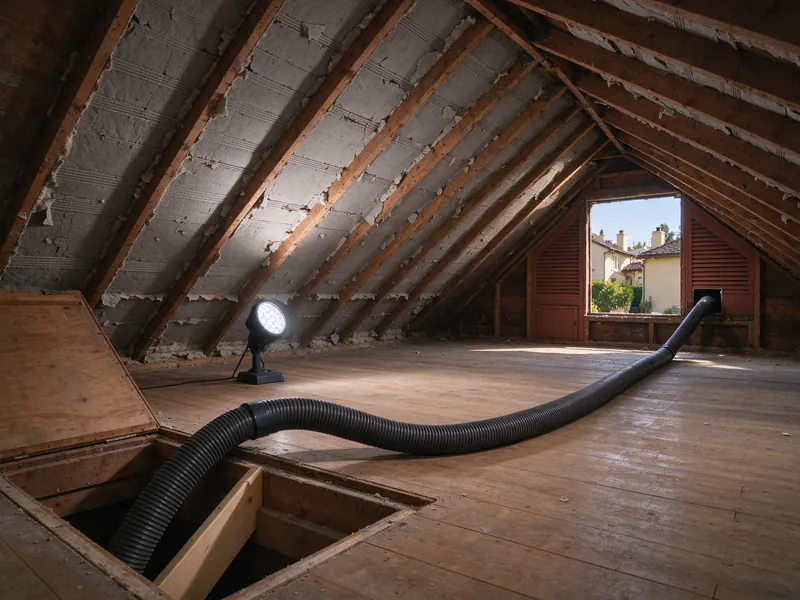
Removal in an attic or crawlspace needs room to move. Where attic clearance is low or the crawlspace is tight, removal takes longer and may be limited to the runs that can be reached safely. Blown-in insulation already covering old runs makes removal slower and dustier, and the attic insulation page covers how that interacts with live wiring. Removed material is bagged and taken out, and the attic or crawlspace is left clear of it. No plaster is opened only to remove dead wire unless you ask for it, and if you do, the quote should name each opening and who patches it.
What removal costs
Removal has no single published price, because it is usually part of a larger job. What moves it is how many retired runs there are, how open the attic and crawlspace are, whether insulation already covers the old wire, and whether any walls are opened for it. The quote checklist explains how to make sure removal is written into a quote rather than assumed, and the LA cost guide covers the rewiring it usually accompanies.