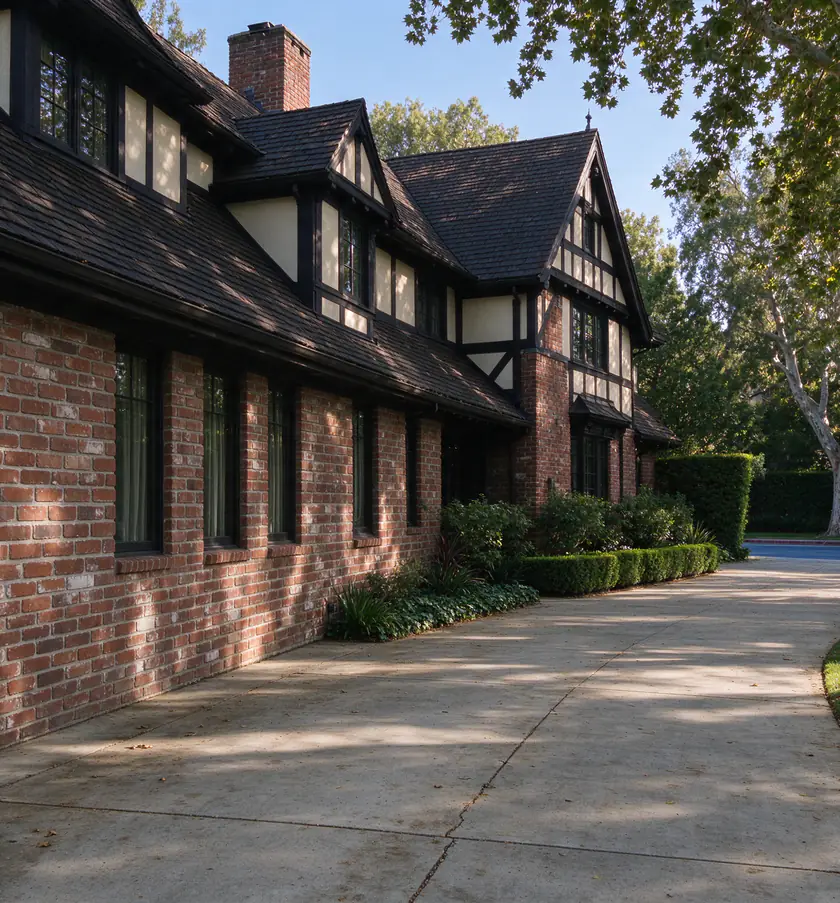
LA Knob and Tube handles knob and tube replacement in Hancock Park, Windsor Square, Windsor Village, Larchmont and Brookside, where many pre-war single-family houses sit inside one of three historic overlay zones. The questions here tend to be about finishes and paperwork as much as wiring: what an HPOZ plan allows outside, whether a Mills Act contract can carry the work, and how to rewire plaster that an owner wants left intact.
Where the old houses are
The ZIP codes covering this area hold very different housing. In 90004, the Census Bureau estimates 2,230 owner-occupied single-family houses built before 1940, and 34.1% of all units date from before 1940. In 90020 and 90005, the old buildings are mostly apartments, with 429 and 611 owner-occupied pre-war houses respectively. So the single-family rewire story is mainly a 90004 story.
LADBS issued 64 single-family rewire permits in 90004 from January 2020 to October 2026, or 36.4 per 1,000 electrical permits on one- and two-family houses. It also issued 183 cripple-wall retrofit permits there in that window, which confirms raised floors and crawlspaces under many of these houses. Since 1996, seven LADBS electrical permits in 90004 have named knob and tube outright, tied for the fourth most of any ZIP code in the city. 90005 shows a rate of 50.0 per 1,000, but that is 17 permits out of 340, too few to read much into.
Three overlay zones and their neighbors
City Planning lists Hancock Park, Windsor Square and Windsor Village as completed Historic Preservation Overlay Zones, with Country Club Park and Wilshire Park adjacent. Each has its own preservation plan. City Planning materials state that interior work with no exterior change is exempt from review, and each plan lists its exemptions, so rewiring inside the walls normally needs no HPOZ approval.
Where a house’s electrical service is changing, the plan matters. A new mast, a relocated meter or a panel on an exterior wall is an exterior change. Where a house presents a formal facade to the street, that side is where review is most likely, and a side or rear location is usually the easier conversation. LADWP has its own say: it verifies a meter location before a new meter panel goes in and needs the LADBS permit before its inspector visits. Both are settled before the service work is scheduled. The historic homes guide covers HPOZ approvals in more depth.
Ninety amps and knob and tube
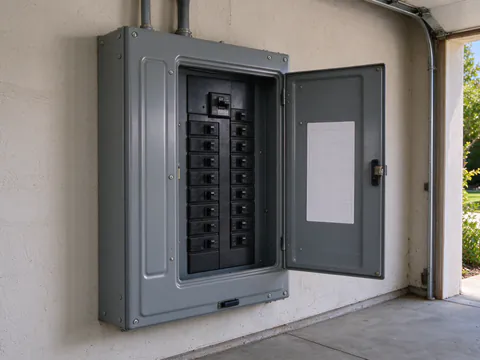
A 2024 LADBS permit in 90004 reads “upgrade electrical panel from 90 amp knob and tube to 200 amp.” That line captures a common misunderstanding. The panel and the knob and tube are different parts of the system. A low-amp panel limits how much the house can draw at once; the knob and tube is the branch wiring that carries power to outlets and lights. Replacing the panel can be the right first step, and the permit may well have included rewiring, but a new 200-amp panel does not by itself replace any of the old circuits. An older fuse panel can also carry a history of its own. Where a fuse larger than the circuit’s wire was meant for has been screwed in over the years, the wire can overheat before the fuse ever blows. That is checked on the first visit by the electrician, never by changing fuses yourself.
Where both are needed, they are planned as one job with two scopes, and the quote shows each separately. The panel upgrade page explains when a service upgrade belongs in the job, and the panel vs rewiring guide explains why one doesn’t stand in for the other.
Mills Act contracts and electrical work
Owners of HPOZ contributors and designated Historic-Cultural Monuments are eligible for the city’s Mills Act program, though the city has put new applications on hold while it reassesses the program. City contracts cover interiors and systems, not just facades, and the Office of Historic Resources asks applicants whether their scope includes work beyond routine maintenance, naming electrical system replacement alongside seismic retrofit and window or roof rehabilitation.
Two cautions apply. The program has valuation limits, and a larger house can exceed the single-family limit, so eligibility is checked with the Office of Historic Resources before any work is planned around it. And the contract is a commitment the owner makes; the electrical scope only needs to be documented well enough to fit it. A permit, a final inspection and a quote that lists each circuit and opening make that straightforward. The Mills Act post covers the application side.
Finished plaster and larger houses
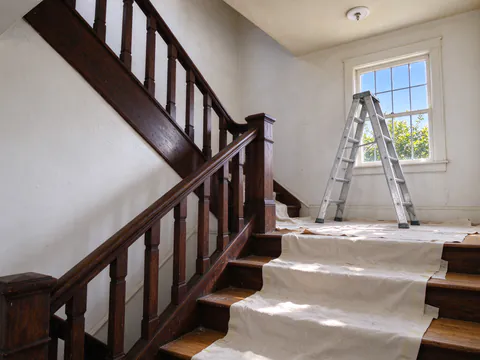
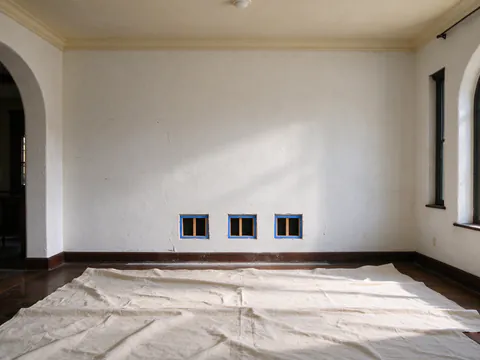
Where a house has two or three floors, decorative plaster, coved ceilings or original millwork, the electrical plan and the restoration plan have to be written together. Routes go through the attic and crawlspace first, then closets, stacked walls and back stairs, so that the openings that remain are few and land where they are least visible. Each opening appears on the quote with who patches it; where a finish needs a restoration plasterer rather than a standard patch, that is named up front rather than discovered at the end.
Older finishes bring one more check. Paint in a pre-1978 house can contain lead, and EPA rules require certified renovators when that paint is disturbed. South Coast AQMD Rule 1403 governs asbestos surveys before renovation. The lead and asbestos guide explains how both affect openings, and the plaster wall rewiring page covers technique.
Getting a Hancock Park job started
The first visit maps each circuit as live, dead or mixed, checks the panel, and measures attic and crawlspace access on every floor. LADBS issues nearly all house rewire permits as express permits without plan check, with inspections before walls close and at the end, and LADWP serves the whole area. Circuits are replaced in sequence so most of the house keeps power most days, and the finished panel is labeled. If a phase stops short of the whole house, you get a written list of the circuits still on original wiring, which a Mills Act file, an insurer or a later buyer may ask for. The quote checklist shows what a complete quote for a house like this should list, and a knob and tube inspection is the place to start if the extent is unknown.
To the south and west, Mid-City and Miracle Mile has its own run of overlay zones. Los Feliz and Atwater Village lies to the northeast, and West Adams and Jefferson Park has the city’s densest cluster of HPOZs.