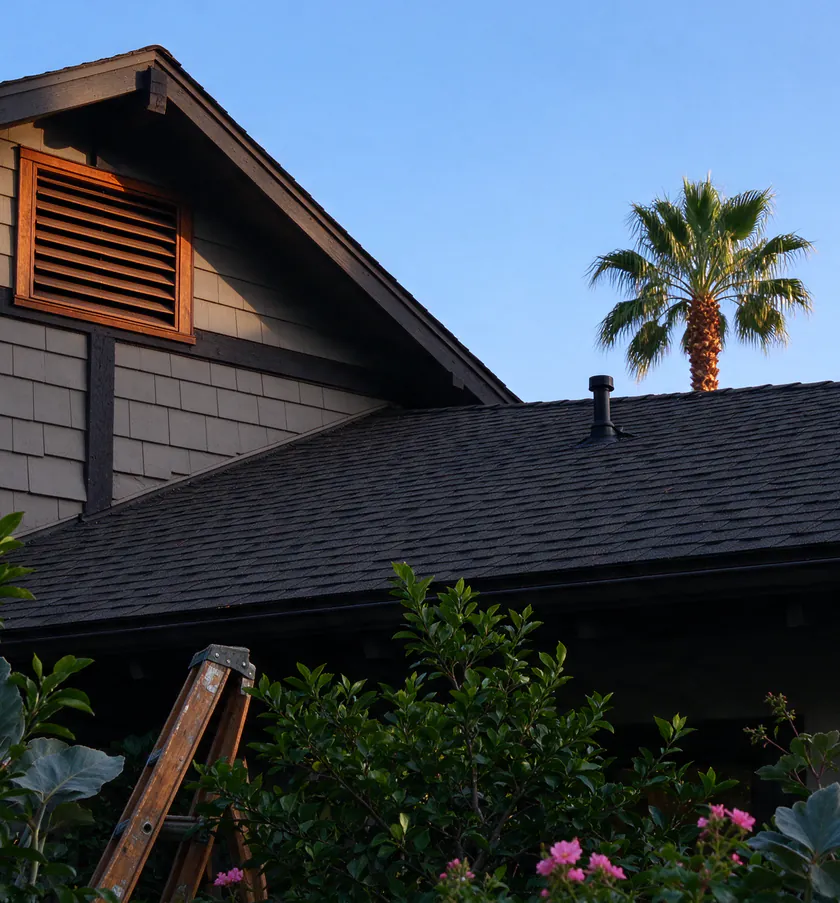
LA Knob and Tube schedules knob and tube replacements across Los Angeles, Pasadena, Glendale and South Pasadena, and scheduling attic electrical work in an LA summer is the one seasonal question in this climate. Winter is mild here. Summer heat in attics is what slows the work, and how much depends on where the house sits between the coast and the foothills.
How hot LA summers get, by location
NOAA’s 1991 to 2020 climate normals show how different the basin is from one end to the other. These are the averages for August, usually among the hottest months:
| Station | Average August high | Average August days at 90°F or more | Average days at 90°F or more per year |
|---|---|---|---|
| LAX | 76.7°F | 0.5 | 4.7 |
| Long Beach | 83.2°F | 5.9 | 23.3 |
| Downtown LA (USC) | 84.0°F | 6.3 | 25.5 |
| Burbank-Glendale-Pasadena Airport | 88.9°F | 14.2 | 53.9 |
| Pasadena | 91.3°F | 19.4 | 74.0 |
| Woodland Hills | 97.4°F | 27.3 | 115.2 |
Winter highs in December and January sit between 66°F and 70°F at all of these stations. Cold never closes an attic here.
Why the attic is hotter than the forecast
What follows is inference rather than a measured figure. An attic sits directly under the roof, and on a sunny afternoon the roof heats the air beneath it well above the outdoor temperature. Where an attic has little ventilation, a dark roof or a low pitch, the effect is stronger. That puts the hardest attic weeks, roughly July through October, in Pasadena, Glendale, the valleys and other inland areas. Near the coast, the same months are far milder.
Heat matters for more than comfort. Attic work for a rewire means crawling along joists, drilling top plates and fishing cable down into walls. In extreme heat, the work slows, breaks lengthen, and crews may stop early in the afternoon. That changes how many days the attic stage takes and how the rest of the job is sequenced around it.
Heat and the old wiring itself
Knob and tube was designed to shed heat into open air. An attic in summer is warm air, and old rubber insulation hardens with heat over the years. Heat is one of the causes of brittle insulation, so attic runs deserve a close look, though only an inspection says how a specific run has aged. It is also why no one should handle attic wiring to check it.
Summer adds load as well. Window air conditioners and fans are among the heaviest loads a room carries, and original circuits were laid out for a few lights and outlets. Running a window unit on a knob and tube circuit during a heat wave adds heat where it does the most harm. If replacement is months away, move cooling loads to newer circuits where they exist. The guide to whether knob and tube is dangerous covers the warning signs, such as warm switch plates or a smell of hot insulation, that call for shutting a circuit off.
Ways to plan around the heat
There is no rule that attic work stops in summer. There are several ways to make it go better:
- Book attic-heavy jobs for the cooler months when the house is inland and the job has a lot of attic routing. The knob and tube inspection can say how much of the job is in the attic.
- Start attic stages early. Morning hours are the coolest in the attic as well as outside.
- Do the crawlspace first in summer. First-floor outlets fed from the crawlspace can go in during the hottest weeks while attic circuits wait for cooler days. The replacement process guide shows how circuits are grouped.
- Ventilate the work. Portable fans and opening gable vents or the hatch help move air, though they do not make a hot attic cool.
- Watch the heat waves. On the hottest days, a crew may shift to inside work such as boxes and devices, which keeps the job moving.
For a household, summer attic work also means opening the attic hatch into living space, so plan for the hallway or closet under it to be warm and dusty while the work is underway. Living at home during a rewire covers power and dust.
Insulation and rewiring: which goes first
If summer has you thinking about attic insulation, the order matters in a house with knob and tube. California’s electrical code restricts insulation that envelops concealed knob and tube. Insulation can go in over it only if a California-licensed electrical contractor surveys the wiring and certifies it is in good condition, the certification is filed with the building department, bilingual caution notices are posted, and the insulation is noncombustible and nonconductive.
That leaves two paths: certify the existing wiring, or replace the attic circuits first and insulate without conditions. Replacing first also means the electrician works in an attic that is not yet packed with new insulation. LADWP runs an attic insulation rebate program with limited funds for its customers, which is one reason to plan both jobs for the same season. The attic insulation page explains the certification path and when replacement makes more sense.
Fall is the natural window inland
For an inland house, the months after the worst heat are often the easiest time to rewire an attic: cooler afternoons, and an insulated attic in place before the next summer. The cost guide explains how access, including attic conditions, moves the price, and the cost estimator gives a quick figure.
If you are planning attic work and want to know how much of the job is in the attic before choosing a season, call or request an estimate. The first visit maps the circuits and measures the attic.